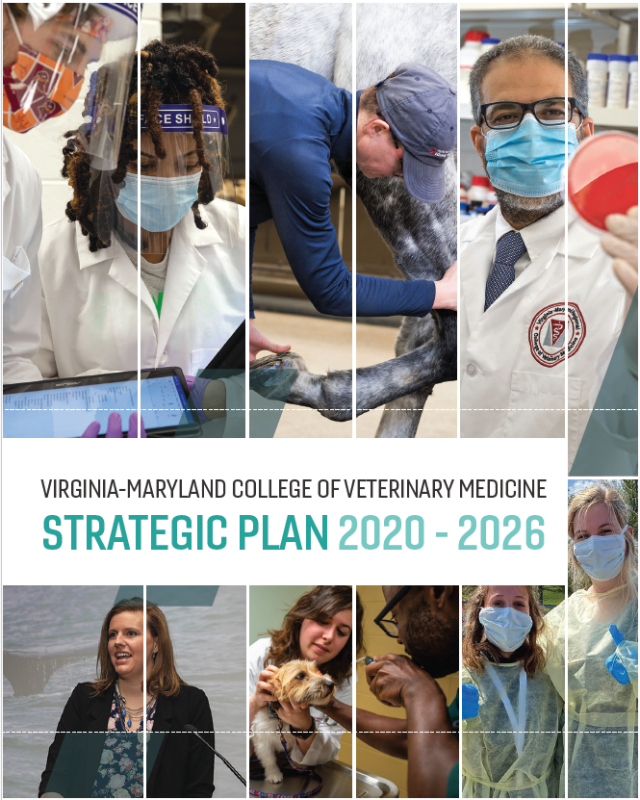
Strategic Plan 2020-2026
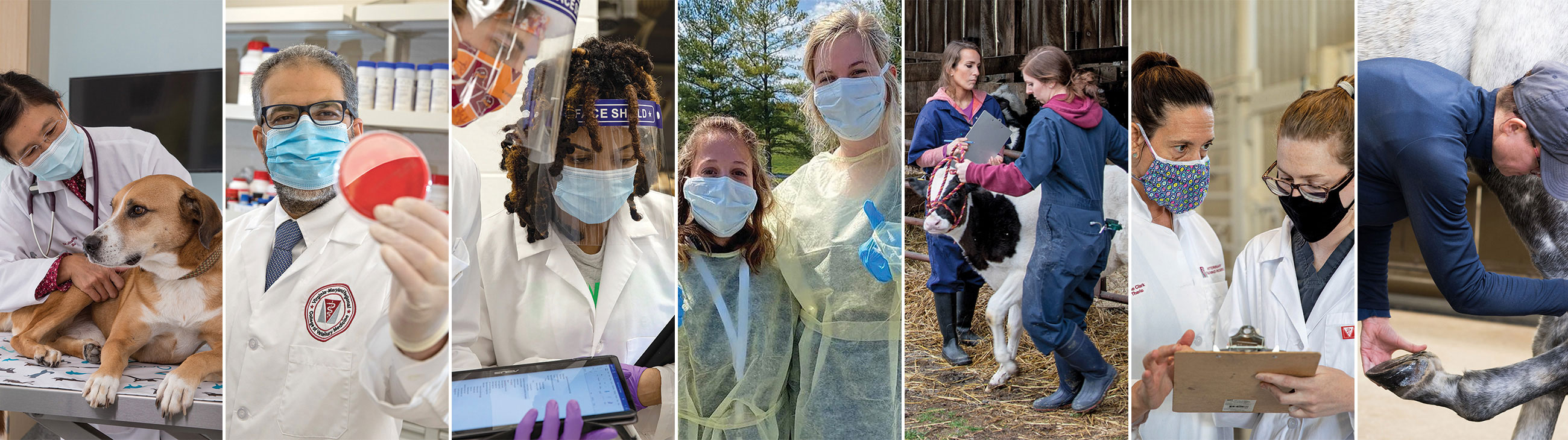
This Virginia-Maryland College of Veterinary Medicine strategic plan has been developed in alignment with Virginia Tech's long-term Beyond Boundaries future and the university's strategic plan — "The Virginia Tech Difference: Advancing Beyond Boundaries" — including its four strategic priorities: advance regional, national, and global impact; elevate the Ut Prosim (That I May Serve) difference; be a destination for talent; and ensure institutional excellence.
Update from Dean M. Daniel Givens: October 24, 2025
As a follow-up to questions regarding progress directed by the college’s 2020-2026 Strategic Plan, many milestones were achieved, some milestones were altered, and some milestones continue to be focused targets for the college. To provide additional detail:
- Regarding Pillar 1, Goal 1, the college has increased its focus on faculty mentorship and developed a staff supervisor development program. Multiple merit-based pay increases since 2020 have supported competitive compensation and flexible work schedules have been adopted within some suitable segments of the college. Annual cross-college events now include a faculty awards ceremony, a staff retreat, and a faculty celebration. Leaders of the staff association executive committee and the faculty association executive committee are involved in monthly meetings of the college’s executive board. Officers of these organizations are engaged and bring valued questions and concerns to the executive board to request greater clarity on particular issues and pursue increased transparency in college decision-making.
- Regarding Pillar 1, Goal 2, the college’s internal and external communications have been refined and focused from 2020 until now. Then number and strategic focus of external communications has increased. Many internal communications have been condensed into the Friday email. Still, it has been communicated through feedback that effective communication within the college could be improved.
- Regarding Pillar 1, Goal 3, some milestones have shifted to ensure that the college complies with revised federal law as interpreted by the Virginia Tech Board of Visitors. The college maintains an unwavering and steadfast commitment to support the success of each and every student, staff member, and faculty member that is a part of our community. These ongoing efforts are guided principles stated clearly in the Virginia Tech Principles of Community.
- Regarding Pillar 2, Goal 1, NAVLE performance by DVM students continues to exceed the national average. The DVM curriculum has been reviewed by the Curriculum Review Task Force and specific changes have been proposed. The Office of Academic Affairs is assessing feasibility of those changes. The changes and assessed feasibility of those changes will be presented to the College Curriculum Committee and to the faculty by the end of the year to support a vote of the faculty of the college regarding specific components of the proposed curricular changes.
- Regarding Pillar 2, Goal 2, efforts to create additional opportunities for broad engagement in One Health activities continue to be pursued. Activities through the Center for Public Health Practice and Research continue to thrive. The college recently hired a director of Community Engaged Experiences, Gracie Akers, to enhance career readiness of students in public health programs.
- Regarding Pillar 2, Goal 3, undergraduate enrollment has increased tremendously since 2020 and slowed to incremental increases since 2022. An Associate Dean for Public Health Programs, Ela Austin, was hired by the college. Experiential learning opportunities are a key component of the BSPH program.
- Regarding Pillar 2, Goal 4, recent changes in the accreditation of distance education in the DVM program have reoriented college efforts to utilize and ensure the efficacy of virtual classroom techniques and technologies. The impact of new and emerging technologies continues to be a focus of college efforts. An external review of resources and strategies of the Center for Public & Corporate Veterinary Medicine was completed. Recommendations from that external review have been and are being implemented.
- Regarding Pillar 3, Goal 1, extramural research funding has continued to increase. Total research awards have consistently trended upward, by 6% (to $21.2 million) in FY25 over the preceding year. Data downloaded from Blue Ridge Institute for Medical Research demonstrates that recent increases in NIH funding have improved the ranking of VMCVM among US colleges of veterinary medicine from 24th to 18th as of September 30, 2024. Correspondingly, annual NIH funding at VMCVM surpassed that received by Mississippi State University, Kansas State University, Oklahoma State University, Purdue University, University of Minnesota, and Texas A&M.
- Regarding Pillar 3, Goal 2, A dedicated multi-user laboratory was established to provide space, equipment, and technical support for faculty and increase access for all faculty across all levels and research appointments. This shared laboratory is supported by two staff FTE. Internal grant funding opportunities are being communicated and funded on an annual basis.
- Regarding Pillar 3, Goal 3, partnerships have been fostered and further developed with Virginia Department of Agriculture and Consumer Services, Fralin Biomedical Research Institute, Edward Via College of Osteopathic Medicine, Virginia Department of Corrections, and surrounding humane societies.
- Regarding Pillar 3, Goal 4, the internal reporting of research funding updates continues to be an important focus of the college.
- Regarding Pillar 4, Goal 1, with approval by Virginia Tech Board of Visitors, detailed focus planning for addition and renovation of the Small Animal Veterinary Teaching Hospital is ongoing. As plans progress, groundbreaking for this large capital project is anticipated to occur in November of 2026. The use of telemedicine has been carefully investigated and strategically implemented in some defined and appropriate areas of patient care. The advancement team has effectively expanded the grateful client program.
- Regarding Pillar 4, Goal 2, hospital operating procedures and business practices have been notably refined over the years. This critical work has ensured financial stability as expenses have increased.
- Regarding Pillar 4, Goal 3, clinical research activities were supported through iTHRIV faculty participants. Clinical expectations were substantively aligned with SAVMA Duty Hours Guidelines for Students. The Intern and Resident Oversight Committee with representation by interns and residents was formed in an effort to ensure a system of collective support and a clearly defined avenue to address concerns. Additional support for clinical research is becoming available through the Helen Spurr and Frank Spurr estate gift.
- Regarding Pillar 4, Goal 4, clinical unit-level financial reports and focused planning efforts now support efforts and decisions in the three clinical hospitals of the college.
- Regarding Pillar 5, Goal 1, the Center for Beef Cow Calf Excellence continues to serve producers in the state. The college collaborated with multiple partners across the Commonwealth of Virginia to facilitate the development of a new position focused on increasing the availability of large animal veterinary care in rural parts of Virginia. This position will aid students, veterinarians, and rural communities in collaborating to increase the availability of needed care.
- Regarding Pillar 5, Goal 2, the college’s research and outreach focused on drinking water quality and models for environmental health and policy have increased. External communications of the college have focused on educating others on intersections of human health and animal health.
- Regarding Pillar 5, Goal 3, ongoing collaborations with area shelters has ensured training opportunities that go beyond but also include surgical experience. Development of the Animal Instructors Program has ensured that preclinical students experience the highest quality experiential learning opportunities related to completion of physical exams, anesthesia, and spay/neuter procedures.
- Regarding Pillar 5, Goal 4, the Center for Public and Corporate Veterinary Medicine and Center for One Health Research have continued to thrive and grow despite challenges.
Letters from ...
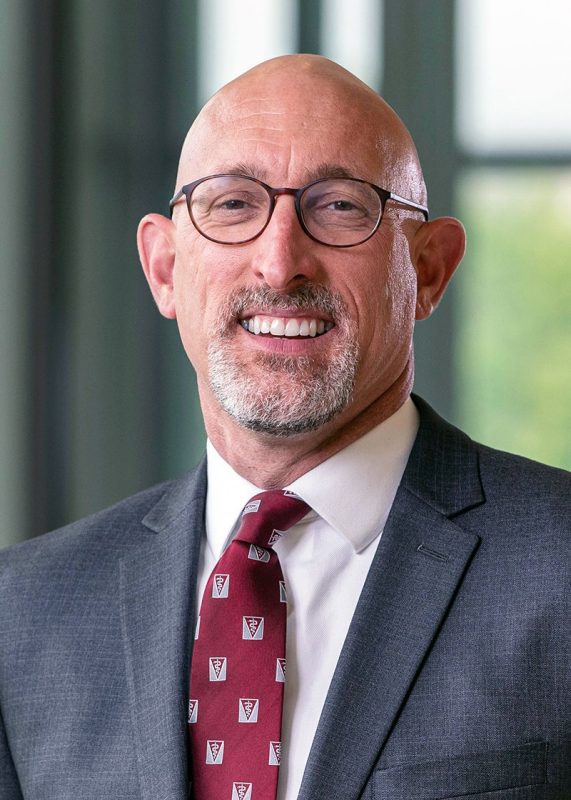
As this strategic plan of our growing college is finalized, we chart a course for continued improvement and sustained impact. This collective work to plan our future course has been ongoing for many months. I have worked closely with Interim Dean Greg Daniel to understand and thoughtfully consider input from the many individuals involved in this planning process. Thanks to the input of many students, staff, faculty, alumni, referring veterinarians, and college partners, our strategic plan is clearer and more focused.
Our plan for the future is impacted not only by thoughtful efforts during the preceding year, but also by preceding decades of diligent and thoughtful work in this endeavor. As this college will celebrate 40 years of veterinary education this fall, I am reminded of statements by John of Salisbury in the 12th century:
We are like dwarfs sitting on the shoulders of giants. We see more, and things that are more distant, than they did, not because our sight is superior or because we are taller than they, but because they raise us up, and by their great stature add to ours.
This college has a rich history of inspiring focus, perseverance, and dedication — and yet, our greater debt is to our future. We owe much to those who, in years to come, will depend on us for educational opportunities in veterinary medicine, biomedical science, and public health, to those who will depend on us to provide impactful and compassionate care to preserve and restore the health and well-being of their animals and their communities, and to those who will rely on us to identify innovations and breakthroughs that will help us flourish as mutating pathogens and a changing environment swirl around us. We have a very bright future, and I am pleased to share our plans for how we will focus our time, efforts, and resources in the coming years.
We also realize that the coming years will include unforeseen challenges; thus, we will review and revise this strategic plan as unique opportunities and challenges appear on our horizon. These future revisions will occur as a result of thoughtful but timely deliberation guided by input from many diverse perspectives. With a clear plan of action, a cohesive and diverse leadership team, and a clearly articulated strategy to revise the plan as critical opportunities arise, I am very excited about the impact that this college will have in years to come.
Sincerely,
M. Daniel Givens, Dean
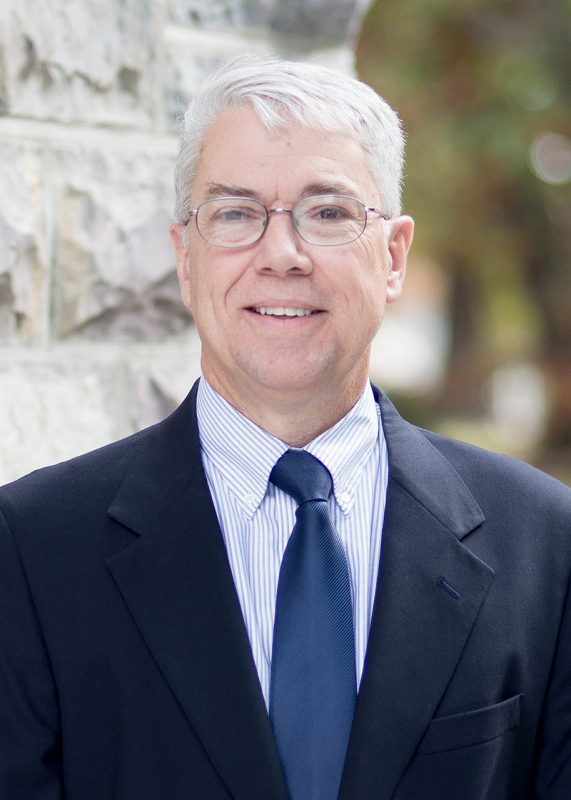
After more than a year of preparation, it is gratifying to see the college's next strategic plan. In creating this plan, we wanted broad-based input from our entire college community to establish common ground on which we could build a future together. We desired to find new ways to improve our internal communications and engagement. Working together to create this strategic plan was an important step toward achieving that goal.
Based on the climate survey and on feedback from various retreats, we knew that better methods of communication and engagement were possible, and we recognized the need for transparency in decision-making processes.
Months before he assumed his role as the college's new dean, Dean Givens began working with us on formulating this strategic plan. I appreciate and value the input and engagement of our faculty, staff, and students in this process. Their ideas, thoughts, and aspirations are captured in our strategic plan.
Not only does the college's strategic plan align with the university's strategic plan, "The Virginia Tech Difference: Advancing Beyond Boundaries," providing great opportunities for interdisciplinary collaboration that combines the college's native strengths with strengths across campus and beyond, our plan is built upon the traditional missions of a land-grant university: research, teaching, and service.
The college's plan features an expanded scope that highlights strategic pillars on improving wellness, well-being, and sense of community within our college — i.e., taking care of our college community — and advancing One Health initiatives to improve the health and well-being of animals, people, the environment, and communities, including marginalized, underserved groups — i.e., taking care of other communities. In addition, the college's strategic plan incorporates the ideas and goals found in its Diversity Action Plan. The college has always focused on academic excellence and excelled in many research areas, but there are additional opportunities for the college to expand its sphere of influence and impact by embracing a One Health perspective.
We are currently in the midst of a global pandemic that affects our day-to-day lives, but I am optimistic that the college is poised to surge forward to achieve the goals outlined in this strategic plan. I want to thank all members of the college community for their contributions to this strategic plan and for the hard work and dedication they bring with them to the college every day.
Sincerely,
Gregory B. Daniel, Interim Dean, 2017-2020